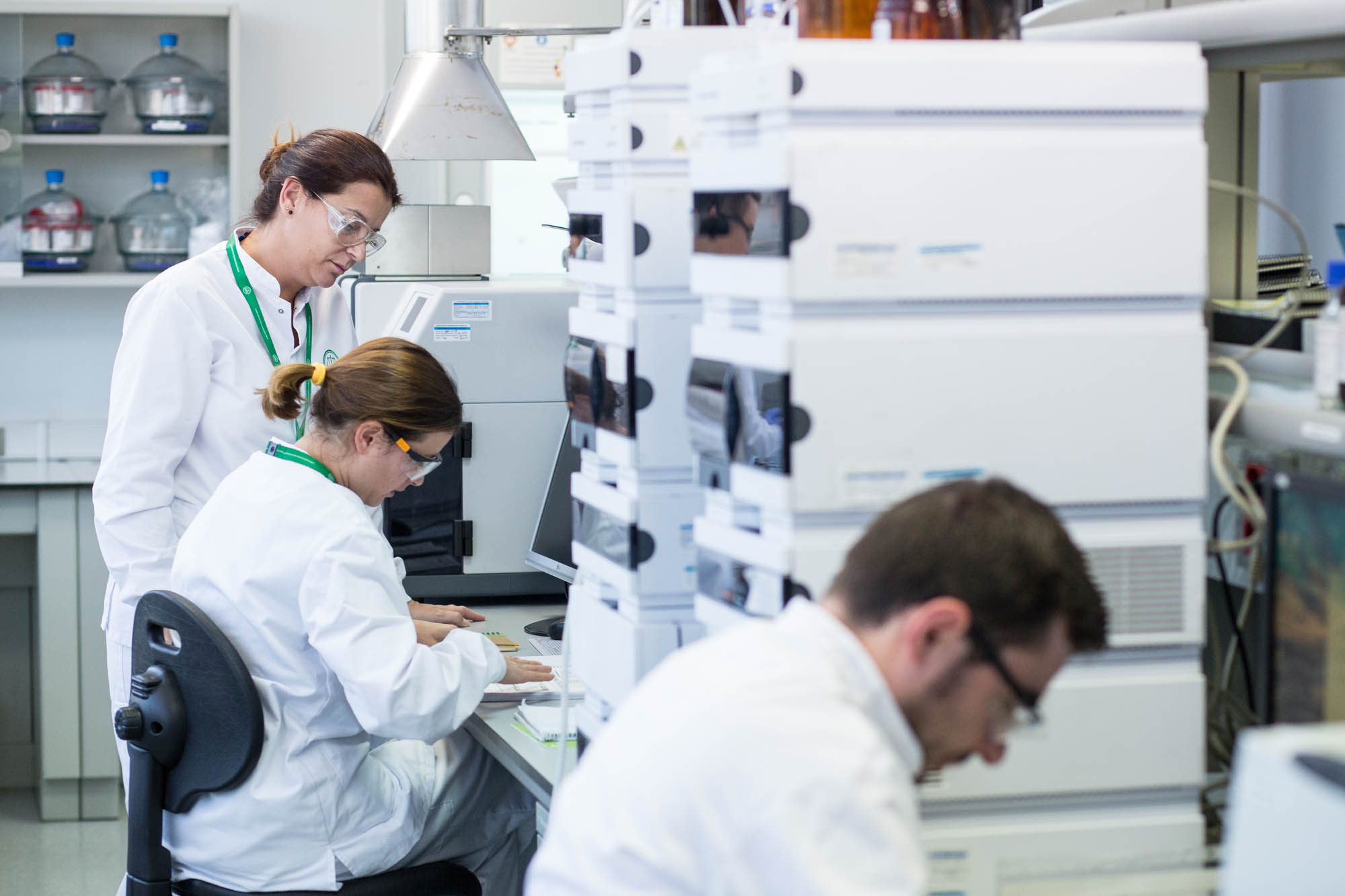
Innovation is one of the strategic pillars underpinning the growth of Laboratorios Farmacéuticos ROVI. In an environment so demanding and regulated as the pharmaceutical sector, scientific research and technological development are essential elements in providing new therapeutic solutions capable of addressing unmet medical needs. In this context, the company has, over recent years, made a strong commitment to developing prolonged-release technologies and advanced drug delivery systems, with special emphasis on its patented technological platform ISM®.
To help overcome these challenges, ROVI has undertaken intensive research focused on the application of the ISM® technology. This enables the design of formulations capable of providing sustained release of the active ingredient over extended time periods, resulting in more stable exposure levels and potentially reducing dosing frequency. Thus, it seeks to improve treatment adherence, enhance patient convenience and optimise clinical efficacy through more controlled and predictable pharmacokinetic profiles.
Sustained-release technologies have acquired growing importance in the pharmaceutical sector due to the benefits they provide from both clinical and healthcare perspectives. The possibility of maintaining stable plasma concentrations, minimising pharmacological fluctuations and simplifying treatment regimens has become one of the industry’s key areas of innovation. In this context, the ISM® technology developed by ROVI is positioned as a platform with high strategic value and the potential to be applied in multiple therapeutic areas.
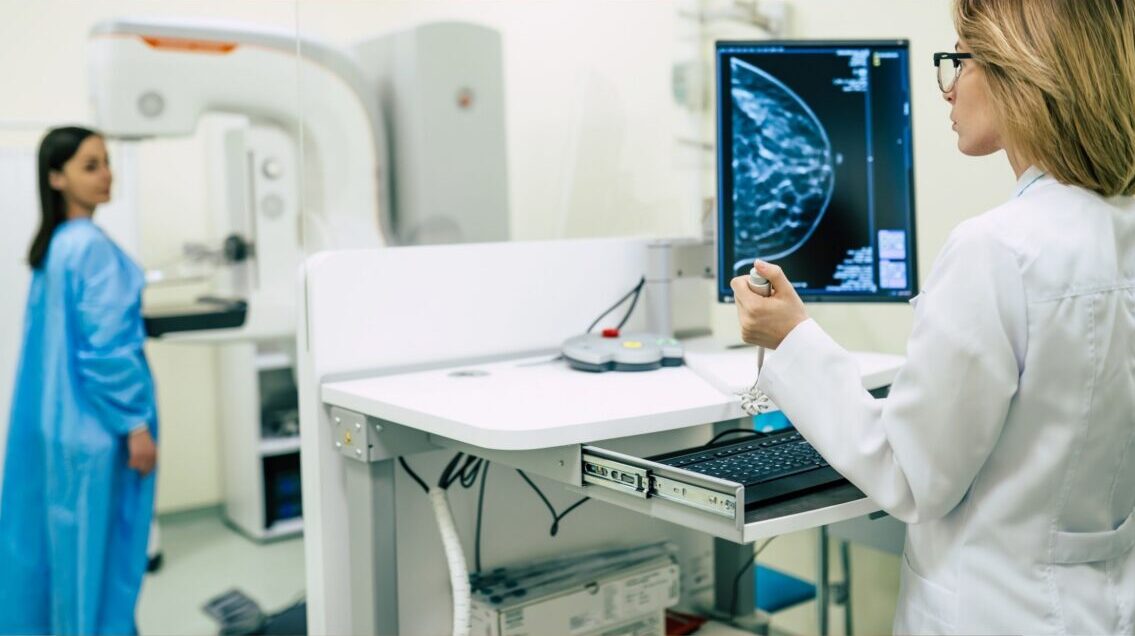
One of the areas where these technologies can provide differential value is the treatment of breast cancer. Currently, aromatase inhibitors are one of the main therapeutic alternatives for patients with hormone-dependent tumours. However daily oral administration may impose certain limitations associated with long-term treatment adherence and the pharmacokinetic variations that may exist between different patients. These circumstances have driven the development of new pharmaceutical strategies aimed at optimising treatment administration and providing a more convenient and efficient therapeutic experience.
The development of innovations of this nature requires substantial financial, scientific and technological investment. Therefore, protection of the results obtained from research is essential to ensuring the sustainability of innovation activities. In the pharmaceutical industry, the patent system is the primary legal mechanism for protecting technological inventions and ensuring an appropriate return on the investment made in research and development. The protection conferred by patents not only safeguards the exclusivity of the technologies developed, but also fosters knowledge transfers, drives scientific collaboration and creates a favourable environment for the development of new innovations.
International patents extension
In relation to the international expansion of its industrial property portfolio, ROVI follows a strategy based on the main international patent protection mechanisms. This process typically begins with a national or European application and protection is subsequently extended at international level. A large portion of these extensions are carried out under the Patent Cooperation Treaty (PCT), a system that allows applicants to keep their protection options open across a broad range of jurisdictions through a centralised procedure, thus facilitating the future international commercialisation of their inventions.
The publication in 2025 of a new international application relating to long-acting formulations represents a further milestone in this strategy of technological innovation and protection. In addition to strengthening the value of the company’s industrial property portfolio, this initiative reflects the continuity of its research efforts and its commitment to developing advanced treatment solutions aimed at enhancing patients’ quality of life.
This research activity acquires added significance because it forms part of the LAISOLID project, led by ROVI and funded by the Technological Development and Innovation Centre (CDTI) under Spain’s Recovery, Transformation and Resilience Plan. The project is part of the IPCEI Med4Cure, the first Important Project of Common European Interest (IPCEI) in the healthcare sector, which aims to strengthen Europe’s biomedical research capabilities, foster strategic autonomy in healthcare and accelerate the development of high-impact innovative therapies.
In summary, the international expansion of ROVI’s patent portfolio demonstrates the strength of its innovation strategy and its continued commitment to scientific excellence.
What is IPCEI Med4Cure?
IPCEI Med4Cure is Europe’s first Project of Common European Interest dedicated to the healthcare sector. Its objective is to promote research, innovation and industrial scale-up projects that enable the development of new medicines, healthcare technologies and advanced pharmaceutical manufacturing processes, strengthening European strategic autonomy in key healthcare sectors.